
The Dealer Blackjack Rule: What Actually Happens
The dealer's hole card slides across the felt, and the entire table freezes. That single flipped ten or ace triggers the most misunderstood mechanic in all of table gaming: the dealer blackjack rule and what happens to every wager sitting on the layout when that ace lands underneath. Most players think they know the answer. Most players are wrong, and that ignorance costs them real money every single session.
Why the Dealer Blackjack Rule Exists at All
Casinos do not build rules out of generosity. The dealer blackjack rule and what happens next is a mathematical lever engineered to protect the house edge while keeping the game legal and consistent across every pit. When the dealer shows an ace, the floor protocol demands a peek under a ten-value card in most shoe games. If the hole card is a ten, the hand dies instantly. No player draws. No player doubles. The round is terminated before it ever breathes.
In European no-hole-card variants, the nightmare is worse. The dealer only checks for blackjack after players have already committed their chips. That tiny sequencing difference hands the house an extra 0.11% edge, and seasoned grinders hunt for tables that eliminate it.
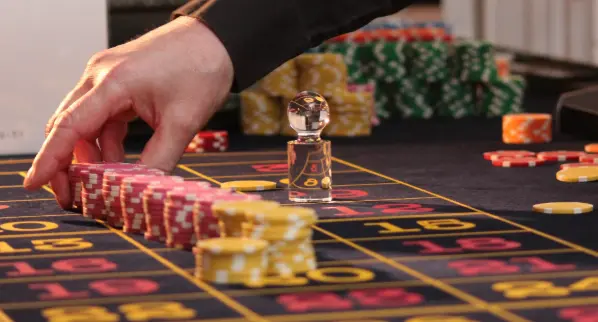
What Happens to Your Bet When the Dealer Has Blackjack
Here is the brutal truth most casual players never internalize. When the dealer reveals a natural twenty-one, every hand at the table loses immediately, with exactly one exception. Your total is irrelevant. You could be sitting on a hard twenty. You could have split aces and drawn two tens. The dealer blackjack rule and what happens is binary: you lose, unless your hand is also a natural blackjack, in which case you push and recover your original wager.
That push is the only mercy in the entire sequence. Everything else, including your insurance side bet, gets resolved in the house's favor unless you took insurance and the dealer indeed held the ten underneath.
The Insurance Trap Nobody Warns You About
Insurance is the sucker bet that masquerades as protection. When the dealer shows an ace, the pit offers you insurance at two-to-one on half your bet. The math is savage: only four of thirteen unseen cards complete the dealer's blackjack. That is roughly 30.7% equity against a payout that demands 33.3% to break even. You are bleeding edge on every single insurance wager you place over a lifetime of play.
Yet the dealer blackjack rule and what happens after an insurance decision creates a psychological trap. Players who take insurance feel vindicated when the dealer flips the ten, but they conveniently forget the eight other times the hole card was a five and their insurance evaporated into the chip tray. The dealer blackjack rule does not care about your feelings. It only cares about the math.

No-Hole-Card Games Change Everything
European and many online variants strip the hole card entirely. The dealer takes one card face up, and only draws a second card after every player has acted. This means you can lose additional money to a dealer blackjack because you already split, doubled, or hit into a busted hand. The dealer blackjack rule and what happens in these games is genuinely punitive. Your extra wagers vanish alongside your original bet, and there is no peek to save you.
Sharp players treat no-hole-card tables as a different game entirely. They adjust basic strategy, avoid marginal doubles on dealer ace upcards, and refuse to split tens against an ace. Every deviation compounds into measurable expected value over thousands of hands.
Card Counting and the Dealer Blackjack Frequency
The dealer blackjack rule and what happens is not static. It shifts with the composition of the shoe. In a single deck game, the probability of a dealer natural sits near 4.83%. In an eight-deck shoe, it drops to roughly 4.75%. Those decimals matter at scale. A counter tracking aces and tens knows exactly when the dealer blackjack frequency spikes, and they size their bets accordingly.
The real edge comes from understanding that a dealer blackjack terminates the round before player decisions matter. That means your carefully calculated double-down opportunities evaporate the moment the dealer peeks and finds the ten. The dealer blackjack rule is not a footnote. It is the structural spine of the entire game, and anyone who ignores it is donating chips to the cage.
The Peek Rule and Its Hardware Implications
Physical shoe games rely on an optical sensor or a mirrored peek device built into the dealing shoe. When the dealer slides the hole card under the ten-value upcard, the sensor reads the corner pip and signals a blackjack. This hardware exists because the dealer blackjack rule and what happens must be enforced before player action, not after. Any malfunction in that sensor creates a procedural nightmare and potential regulatory violation.
Online live dealer studios replicate this with software that pre-determines the hole card before streaming the round. The dealer blackjack rule and what happens in a digital environment is identical in outcome but instant in execution. There is no peek delay, no suspense, just cold algorithmic resolution.
Every hand you play against a dealer ace carries hidden weight. The rule is not designed to be fair. It is designed to be profitable, and it succeeds brilliantly at exactly that.